
Human Oncology
Oncology
QBiotics' anticancer drug candidate tigilanol tiglate is an oncolytic small molecule, delivered intratumourally, that has potential in the treatment of a range of solid tumours.
While very effective as a monotherapy, murine data also supports the potential of tigilanol tiglate in combination with checkpoint inhibitors, conventional chemotherapy, and radiotherapy. Tigilanol tiglate is currently undergoing Phase II trials in patients with soft tissue sarcomas and head and neck cancers.
Tigilanol tiglate has been awarded Orphan Drug Designation by the FDA for the treatment of soft tissue sarcomas.

Tigilanol tiglate
Tigilanol tiglate has a multifactorial mode of action that leads to rapid destruction of injected tumours through tumour vasculature disruption and tumour cell oncolysis.
Tigilanol tiglate also induces systemic T cell responses via Immunogenic Cell Death (ICD) induced by a caspase/gasdermin E-dependent pyroptopic pathway. Protein Kinase C/C1 domain signaling (predominantly PKC β isoforms) appears necessary for tumour ablation in vivo and is also partly responsible for a strong wound healing response at the tumour site, with minimal scarring.
Compelling Data from Soft Tissue Sarcoma Stage 1 of Phase IIa Trial
Stage 1 of the Phase IIa clinical trial (QB46C-H07) evaluated the preliminary efficacy and safety of intratumoural tigilanol tiglate in patients with a range of advanced and/or metatstaticmetastatic Soft Tissue Sarcoma (STS). QB46C-H07 is being conducted in two stages: Stage 1 was a pilot trial in 11 (10 evaluable) patients with advanced STS. Stage 2 is an expansion trial to further investigate the efficacy of tigilanol tiglate.
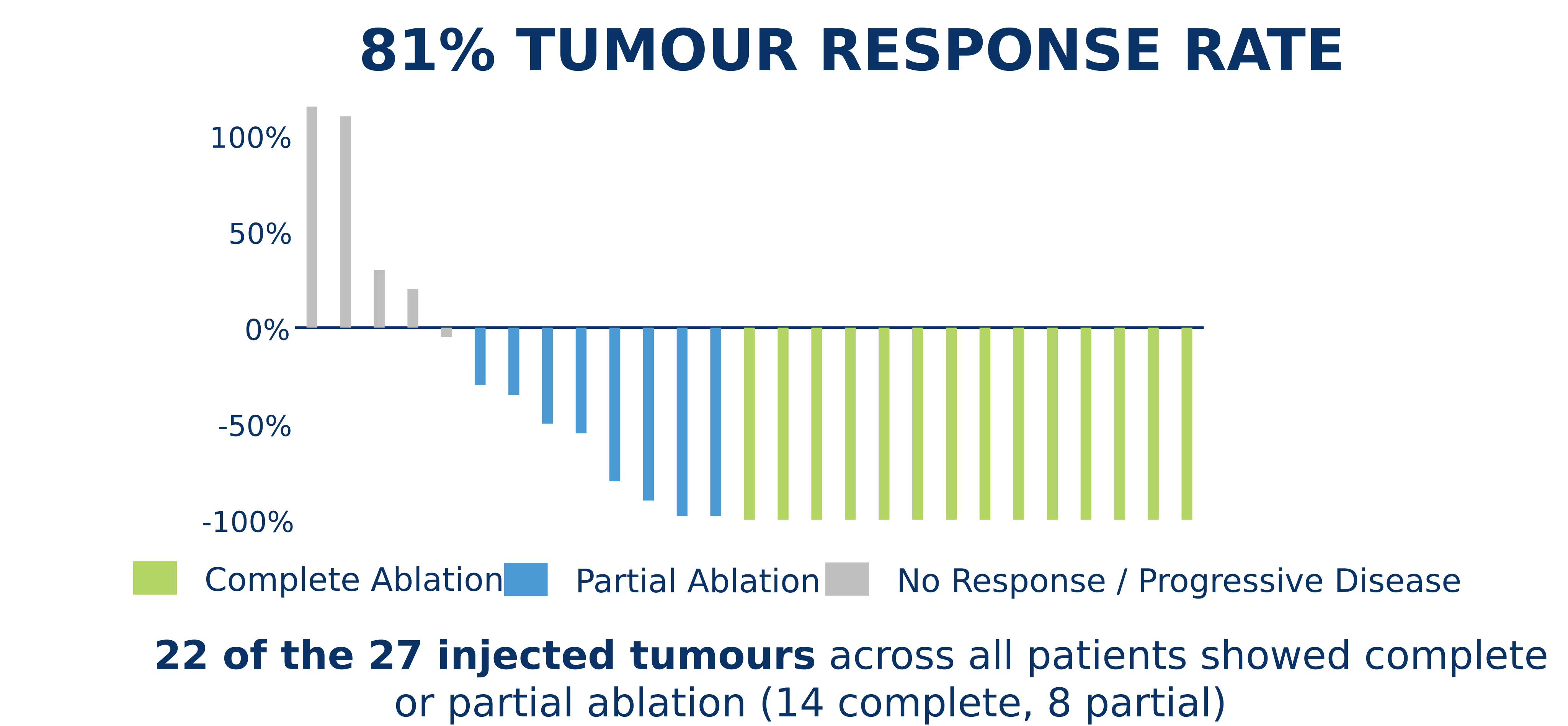
In Stage 1 of the QB46C-H07 trial, QBiotics reported an 80% response rate in injected tumours (8 out of 10 patients). Response rate was defined as the proportion of patients who achieved complete ablation (100% reduction in volume) or partial ablation (≥ 30% reduction in volume) of treated tumours and/or tumour segments following one or more treatments with tigilanol tiglate. 22 of the 27 (81%) injected tumours across all patients showed complete or partial ablation (14 complete, 8 partial).
In addition to the original study objectives, the protocol for Stage 2 of the QB46C-H07 trial includes new primary objectives - evaluating the effect of tigilanol tiglate on Objective Response Rate (ORR) by RECIST v1.1 and overall disease control (not limited to injected tumours) upon return to standard of care. It also includes a new exploratory objective: the evaluation of metabolites after a single intratumoural injection of tigilanol tiglate and further investigations of the mode of action of the drug.
Stage 1 of Phase IIa clinical trial QB46C-H07 – 81% of injected tumours show complete or partial ablation
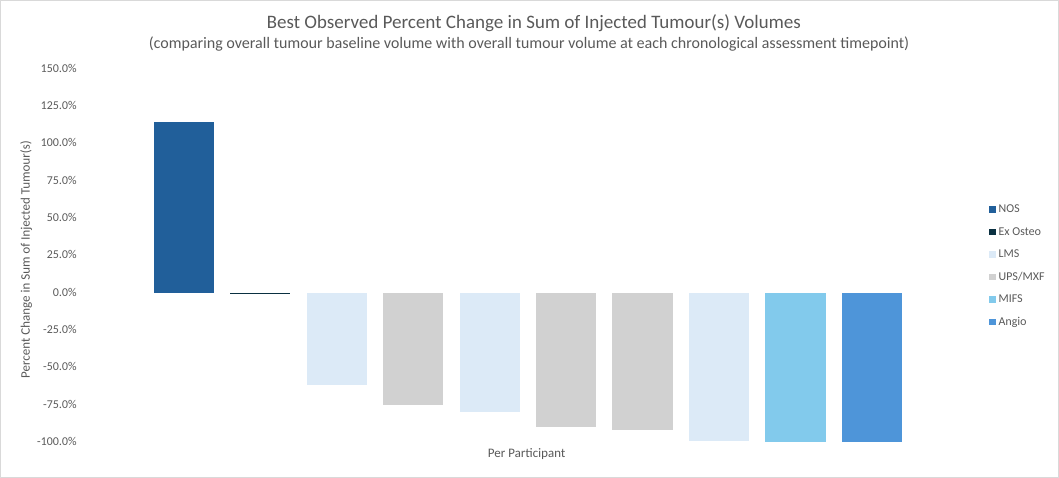
Stage 1 of Phase IIa clinical trial QB46C-H07 – 80% of participants achieved complete or partial ablation of injected tumours
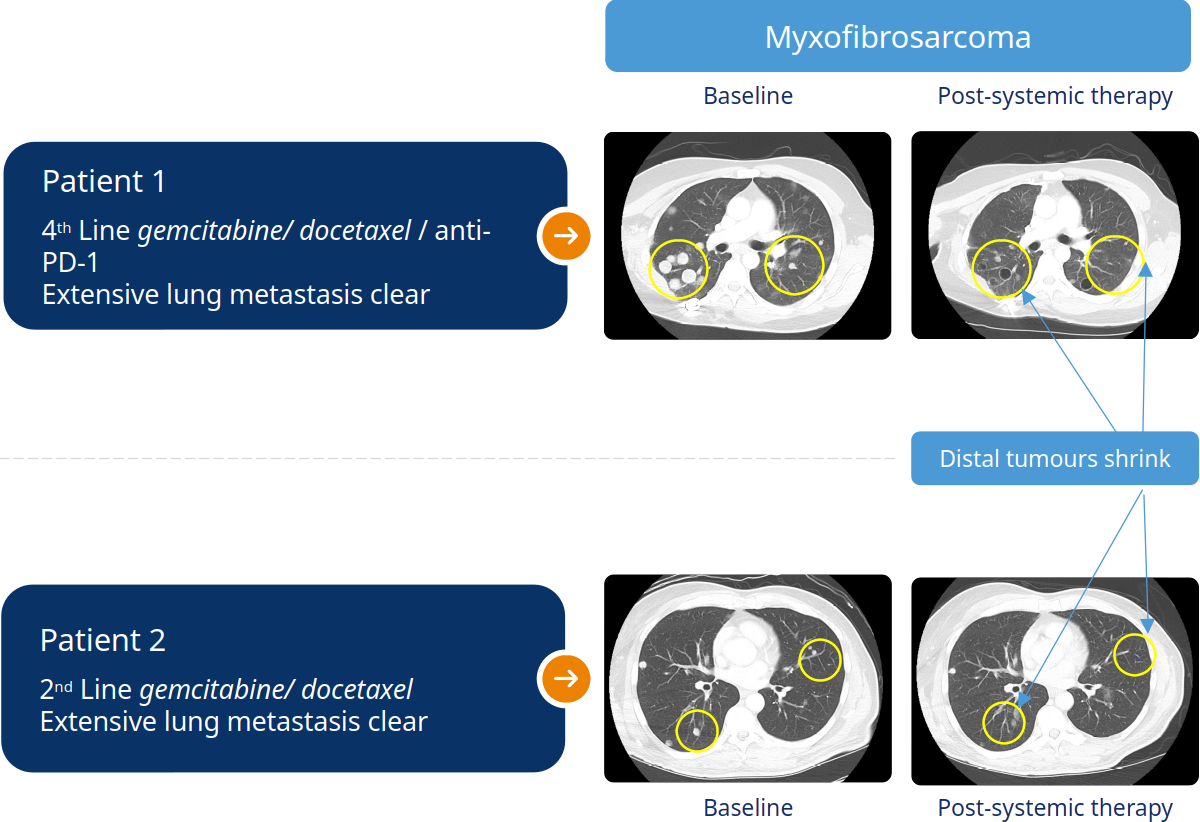
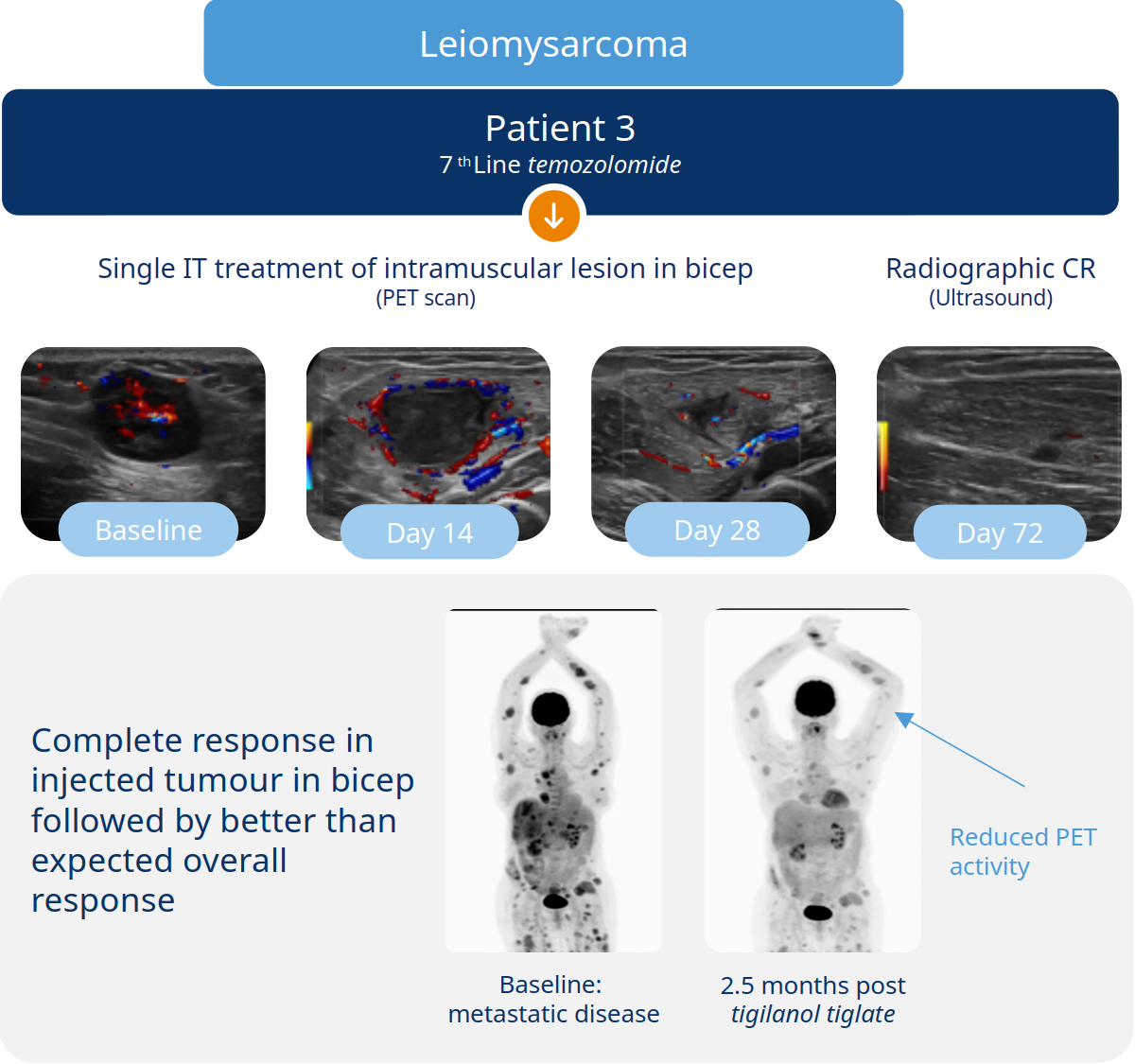
At the 2024 Annual Meeting of the Connective Tissue Oncology Society (CTOS), investigators presented a poster highlighting additional observations made outside the Phase IIa clinical trial (QB46C-H07).
These observations indicated that patients with metastatic soft tissue sarcoma (STS) who had previously been non-responsive to systemic therapy subsequently demonstrated responses to systemic treatment after tigilanol tiglate was administered as the primary therapy for their primary tumour.
Three patients with pre-existing metastatic cancer that had not responded to previous systemic treatments show a positive therapeutic response to tigilanol tiglate
Strong efficacy signals from a first-in-human, dose-escalation safety trial
The Phase I safety trial (QB46C-H01) included 22 patients with a broad range of cutaneous and subcutaneous solid tumours. The trial design was a dose escalation study to gradually increase the dose of tigilanol tiglate to check safety and tolerability. Tigilanol tiglate was well tolerated with a maximum tolerated dose (MTD) not reached, and signs of efficacy in nine different tumour types.
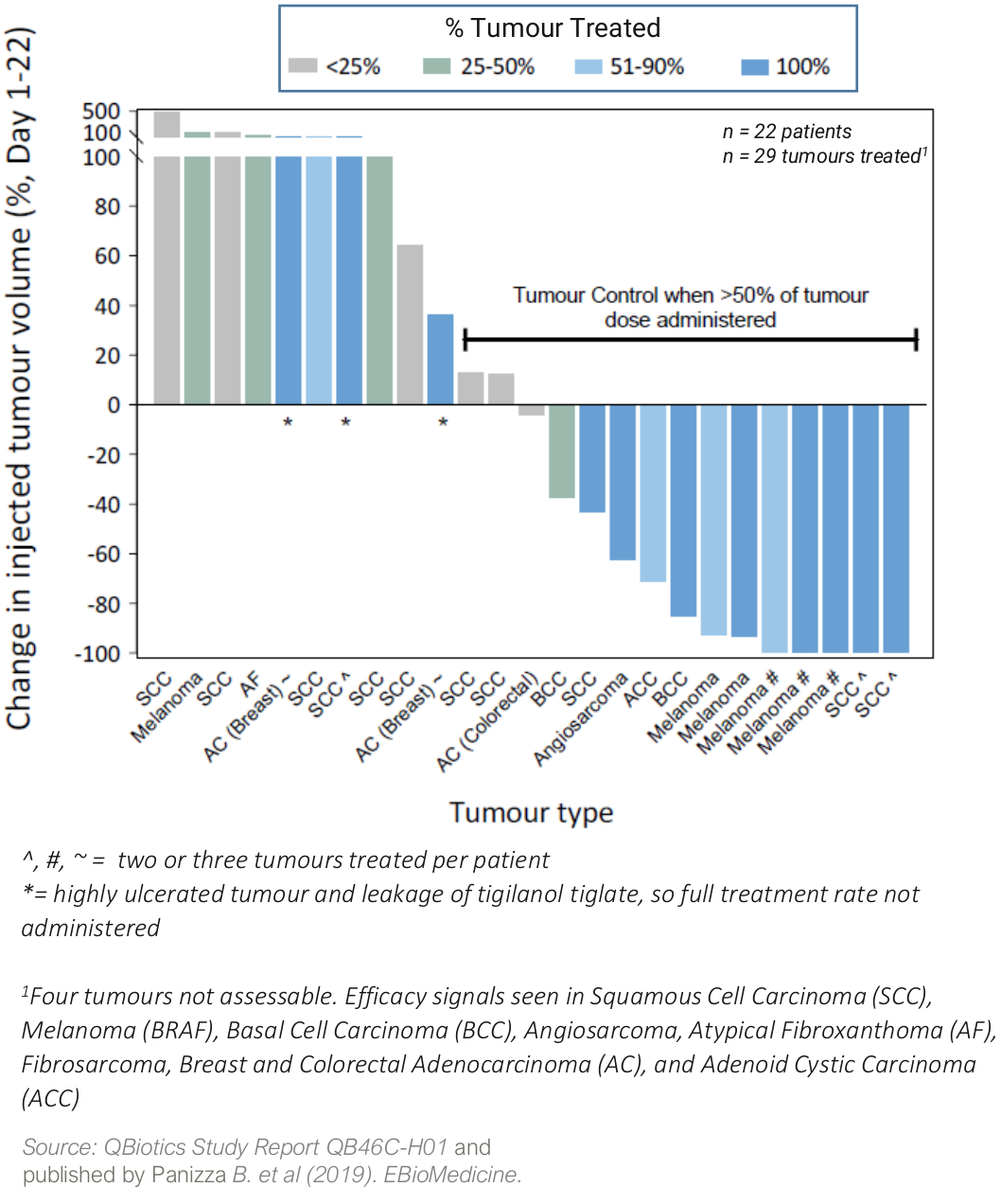
Despite not all tumours receiving a full therapeutic dose, four patients (18%) achieved a complete response in the injected tumour, two patients had a partial response (9%), while a further ten patients (45%) maintained stable disease. Two patients with metastatic melanoma also had non-injected tumor (abscopal) responses to tigilanol tiglate treatment.
Change in tumour volume at 22 days
Waterfall plot showing percentage change in tumour volume from Day 1 to Day 22 following a single injection with tigilanol tiglate (QB46-H01)
Immune response demonstrated
In a Phase I/II window of opportunity before surgery trial (QB46C-H03) in patients with Head and Neck Squamous Cell Carcinoma (HNSCC), tigilanol tiglate induced Immunogenic Cell Death (ICD) and CD8+ T cell infiltration in treated tumours.
Impressive canine veterinary data informs human development
The strong tumour responses observed in the human trials is supported by impressive efficacy data seen in dogs. Tigilanol tiglate is approved in the USA, EU, UK and AU, marketed as STELFONTA® *, as a first-line, alternative to surgery, veterinary pharmaceutical treatment for canine mast cell tumours (MCT).
*This link redirects to a site that operates under international standards, which may vary to Australian guidelines.
In a pivotal USA multi-centre trial in 123 canine patients with MCT, a single treatment induced a 75% complete response at 28 days post treatment, with an Objective Tumour Response of 80%1. Two injections led to an 88% complete response. There was no tumour recurrence in 89% of evaluable cases 12 months post-treatment.2
- De Ridder TR, et al. Journal Veterinary Internal Medicine 2020 ;doi :10.1111/jvim.15806.
- Jones, PD, et al. Recurrence‐free interval 12 months after local treatment of mast cell tumors in dogs using intratumoral injection of tigilanol tiglate. Journal of Veterinary Internal Medicine, 35(1), 451-455.
Wound Healing
The next section refers to QBiotics’ wound healing drug candidate, EBC-1013.